A flexible frontend framework can turn into technical debt fast once five teams are shipping features their own way. Digital Dividend’s MEAN stack development services team builds structured, TypeScript-first applications on MongoDB, Express.js, Angular, and Node.js.
When five teams build features their own way, a flexible frontend library turns into technical debt fast. Integrating MEAN stack development early gives every team the same routing, forms, and dependency injection conventions from day one.
Angular ships with structure built in, and the project is TypeScript-first from the start. That structure is exactly what regulated, multi-team enterprise projects need.
What is MEAN stack development?
What is included in MEAN stack development services?
MEAN stack development services cover backend architecture on Node.js and Express.js, frontend build in Angular, and database design in MongoDB, all under one JavaScript and TypeScript codebase.
MEAN vs. MERN: why Angular still wins for some projects
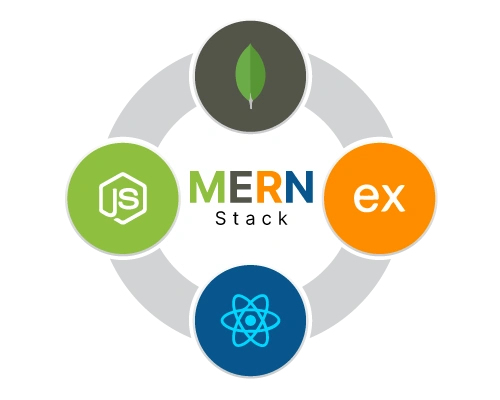
Angular ships with routing, dependency injection, forms, and testing built in, and the project is TypeScript-first from day one. That structure is exactly what regulated, multi-team enterprise projects need, where our MERN stack development work favors flexibility instead.
Our Impact at a Glance
Digital Dividend has delivered 300+ projects over 15+ years, backed by a 100+ developer team spanning web, mobile, and AI engineering.
That scale means a MEAN project draws on the same architecture, QA, and DevOps resources used across our other enterprise web development work, not a standalone team assembled per client.
Challenges companies face with MEAN stack development
Building or maintaining a MEAN application comes with technical and operational challenges. Common obstacles include:
Inheriting an old AngularJS codebase, built before 2019, with no clear migration plan
Letting multiple teams build features without shared conventions
Onboarding new developers slowly because the codebase has drifted into five different patterns
Managing dependency updates across a large, multi-team codebase
Scaling the application as user demand and feature requests grow
Core features of a MEAN stack application
Every MEAN build we ship is scoped around the features that drive real business usage, not just a demo.
Secure authentication
Every build includes secure authentication and role-based access control, all typed end to end through TypeScript.
RESTful API endpoints
We build REST APIs in Express and Node.js that connect your Angular frontend to internal systems, third-party services, and mobile apps.
Real-time features
We add WebSocket-based real-time features, like live dashboards and notifications, on top of the standard MEAN architecture where the product needs them.
Consistent architecture across teams
We enforce consistent Angular conventions across every module, so five developers write code that reads like one.
Mobile-ready backend
The same Node.js and Express backend that powers a MEAN web app can also serve a mobile app’s API layer, sharing backend logic across both without duplicating it.
Legacy migration
We migrate legacy AngularJS applications to modern Angular, closing security gaps and unlocking the performance and tooling improvements built into current versions.
Benefits of MEAN stack development
Startups
Startups get a TypeScript-first foundation that scales cleanly as the team grows past the first few developers.
SMBs
SMBs get architectural consistency without needing a dedicated platform team to enforce it, since Angular’s structure does that by default.
Enterprises
Enterprise MEAN work usually means integrating with existing identity systems and legacy databases, with Angular’s structure keeping the codebase consistent across every team touching it.
Maximize the ROI of your MEAN application
Angular has been deliberately adopted by 51,737+ companies as their structured front-end framework (CMARIX, 2026), commanding the top position among teams that chose a specialized, opinionated framework over a flexible library.
One JavaScript and TypeScript codebase across the stack also means fewer handoffs. A single team can own routing, forms, and API logic without switching languages or conventions.
Custom MEAN solutions for your business
At Digital Dividend, we understand that every business has different workflows. Our custom MEAN solutions are built to align with your specific needs, backed by our broader CMS development services for editorial teams that need structured content workflows.
MEAN stack development system integrations
A MEAN application is only as useful as the systems it connects to. We build integrations across the tools your business already relies on.
Integration
Purpose
Identity and SSO providers
Enterprise-grade authentication across Angular’s built-in security model
Third-party REST APIs
Connect the application to external services and internal systems
Legacy databases
Bridge existing enterprise data sources into a modern MEAN architecture
Analytics and reporting platforms
Track usage and business metrics directly from the application
Technologies we use
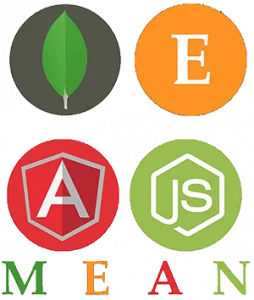
A MEAN stack development services team needs to work fluently across all four core layers of the stack.
MongoDB - a NoSQL database that stores data as JSON-like documents, mapping naturally to JavaScript objects.
Express.js - a lightweight backend framework for building APIs on top of Node.js.
Angular - a full-featured, TypeScript-first frontend framework built for large, structured applications.
Node.js - the JavaScript runtime that powers the backend, built on Chrome's V8 engine.
Our MEAN stack development approach
Digital Dividend runs every MEAN engagement through a structured process so scope, cost, and timeline stay predictable from day one.
Discovery and architecture planning
We audit your current stack, team structure, and requirements, then design the module structure before any code is written.
MVP or core build
We build the core application, focused on the features that matter most for launch, so you can validate the product quickly.
Development and integration
Our developers build the frontend and backend together, connect it to internal systems, then test against real usage patterns.
Testing and QA
Every build goes through structured testing before release, not just a quick manual check.
Launch and scaling
After launch, we monitor performance and scale infrastructure as traffic and team size grow.
End to end MEAN stack development services
Custom MEAN stack development
We build applications around your specific business logic and enforce consistent Angular conventions across every module.
MEAN stack API and backend development
We build REST APIs in Express and Node.js that connect your Angular frontend to internal systems, third-party services, and mobile apps.
MEAN stack migration and modernization
We migrate legacy AngularJS applications to modern Angular, closing security gaps and unlocking performance and tooling improvements.
MEAN stack support and maintenance
After launch, we handle dependency updates, performance tuning, and bug fixes, so the application stays reliable as Angular and Node.js versions change.
How a MEAN stack application works
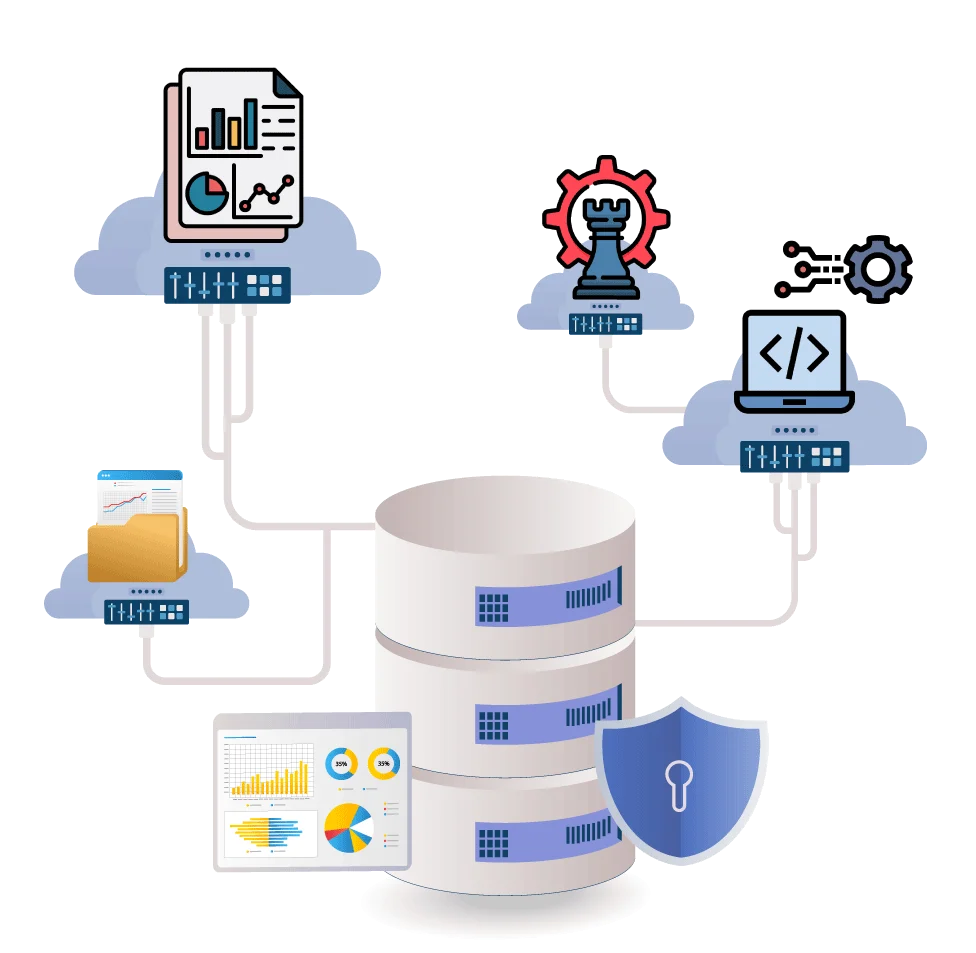
A MEAN application renders its frontend in Angular, which calls REST APIs built in Express and Node.js. Those APIs read and write to MongoDB, storing data as flexible JSON-like documents.
Because Angular enforces structure through modules, services, and dependency injection, multiple teams can work in the same codebase without stepping on each other’s conventions.
MEAN stack development implementation roadmap
A successful MEAN build moves through requirement analysis and architecture planning, then core development for early validation. From there, we integrate with third-party systems, test for security and performance, and move to deployment with continuous optimization.
Secure and compliant MEAN stack development
For healthcare and financial applications, we encrypt data in transit and at rest, and design MongoDB’s schema and access controls to meet HIPAA requirements.
For clients serving the EU or UK, we also build with GDPR data handling in mind, including consent flows and data deletion support.
Timeline and cost for MEAN stack development
A MEAN MVP typically takes 5 to 9 weeks and starts from $18,000. A standard business application typically takes 10 to 16 weeks and starts from $40,000, while enterprise programs with compliance requirements run $150,000 or more over 3 to 6 months.
Which MEAN stack development approach is right for your business?
Custom MEAN development
Best suited for businesses with complex workflows or specific compliance needs. Custom development offers full control and flexibility to build a solution tailored to your exact use case.
Template-based MEAN solutions
Ideal for businesses looking for a fast, cost-efficient launch. Pre-built components speed up delivery for straightforward applications without heavy upfront investment.
Our guidance
We guide you in choosing the right approach based on your goals, budget, and growth plans, so you launch efficiently while building something that scales.
Success stories: scaling MEAN applications for real businesses
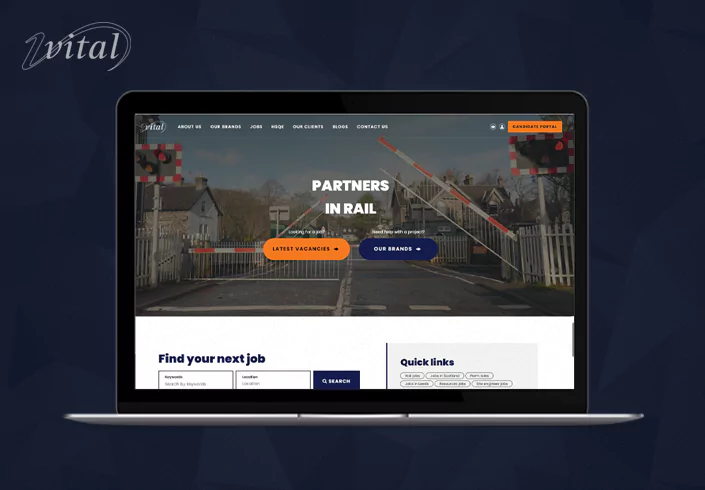
Workforce management platform: Vital WorkWise
We built Vital WorkWise, a structured workforce management platform, using Angular’s built-in conventions to keep the codebase consistent across multiple internal teams.
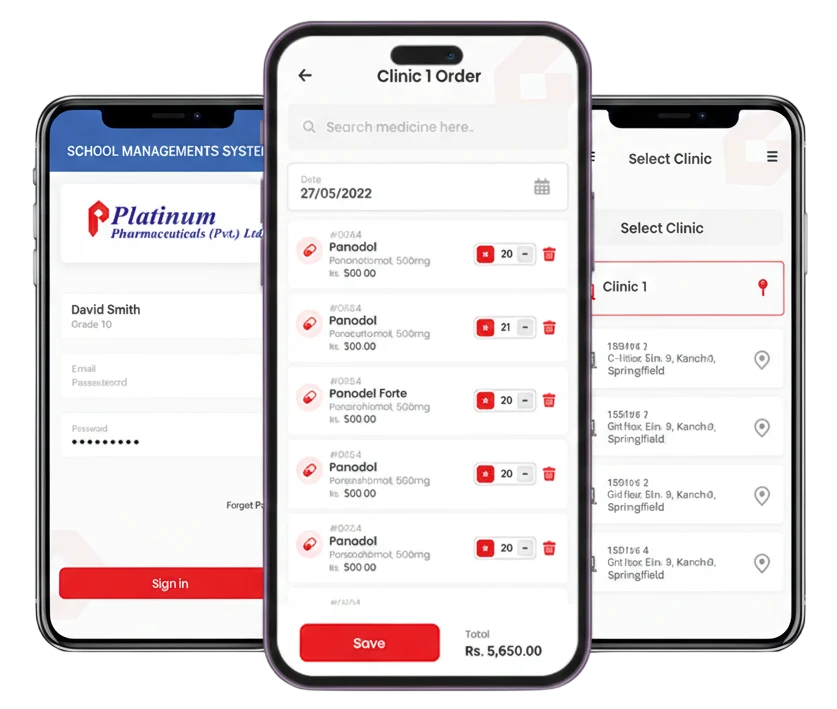
Pharmaceutical distribution platform: Platinum Pharma
We built a resource management system for Platinum Pharma, a pharmaceutical distribution client, without needing extra tooling to enforce architectural consistency.
Why businesses choose Digital Dividend for MEAN stack development
Businesses choose Digital Dividend for a proven track record on MEAN, fast launches, and custom solutions tailored to specific business needs, backed by a delivery model led from Sweden and the USA, with an in-house development team in Pakistan.
Best MEAN stack development services in the US
The strongest US-serving MEAN teams show real enterprise projects, enforce consistent Angular conventions across teams, and are upfront about when a lighter stack would serve a smaller project better. Our software development outsourcing blog covers how to evaluate a delivery model like ours against fully offshore alternatives.
Need to move fast? You can also hire a dedicated developer and embed them directly into your product sprint.
Future trends in MEAN stack development
Angular’s newer versions now ship with Signals and zoneless change detection, closing most of the performance gap that once separated it from lighter frontend libraries. Migration off legacy AngularJS remains one of the defining trends in the ecosystem.
Explore Additional Services You Might Need
Digital Dividend provides expert solutions in software development, mobile applications, eCommerce, CMS platforms, IoT, data analytics, and healthcare product innovation.
Mobile App Development Services:
Software, Web & Design Services:
eCommerce Development Services:
Restaurant App Development:
AI Software Development Services:
ERP Software Development Services:
CMS Development Services:
IoT, Wearables & Data Services:
Healthcare Product Development for Startups:
Scale your team with expert MEAN Stack developers.
Digital Dividend provides skilled MEAN Stack specialists to fill resource gaps and accelerate your full-stack development projects.
MEAN uses Angular for the frontend instead of a lighter library like React, giving teams a more structured, opinionated framework with routing, forms, and dependency injection built in from the start.
MEAN suits projects where architectural consistency across multiple teams matters more than developer flexibility, particularly in finance, government, insurance, and healthcare.
They can be, though Angular’s steeper learning curve, three to six months versus one to three for lighter frameworks, tends to pay off more clearly once a project grows past a single small team.
Yes, when built correctly. We apply encryption at rest and in transit, role-based access controls, and TypeScript’s type safety to reduce a common class of runtime bugs.
MEAN suits enterprise dashboards, internal tools, CMS platforms, and any application where multiple teams need to work in a consistent, well-structured codebase over several years.
What our clients say
"Both the website and the apps provide a robust, satisfying experience for users. Digital Dividend's effective project management and sensible task division maximize efficiency."
"The agency is always looking for ways to improve the product."
We are ready to assess your challenge and help you with it. Schedule a call to start.
This site is registered on wpml.org as a development site. Switch to a production site key to remove this banner.