

dd-logo-loader
logo
logo

Language

Awesome Image Awesome Image

Enterprise Application Services That Scale with Your Business

The wrong software setup costs more than most businesses realise. Disconnected systems, manual workarounds, and tools that were never designed for your scale all add up to lost time, duplicated effort, and decisions made on incomplete data.
Enterprise application services are end-to-end software solutions built to support complex business operations across departments, users, and locations. They cover custom application development, system integration, mobile and web platforms, testing, and long-term support, all designed to handle the demands of organisations that have outgrown standard tools.
At Digital Dividend, we have been building enterprise software since 2008, delivering 300+ projects across healthcare, manufacturing, logistics, finance, and more.
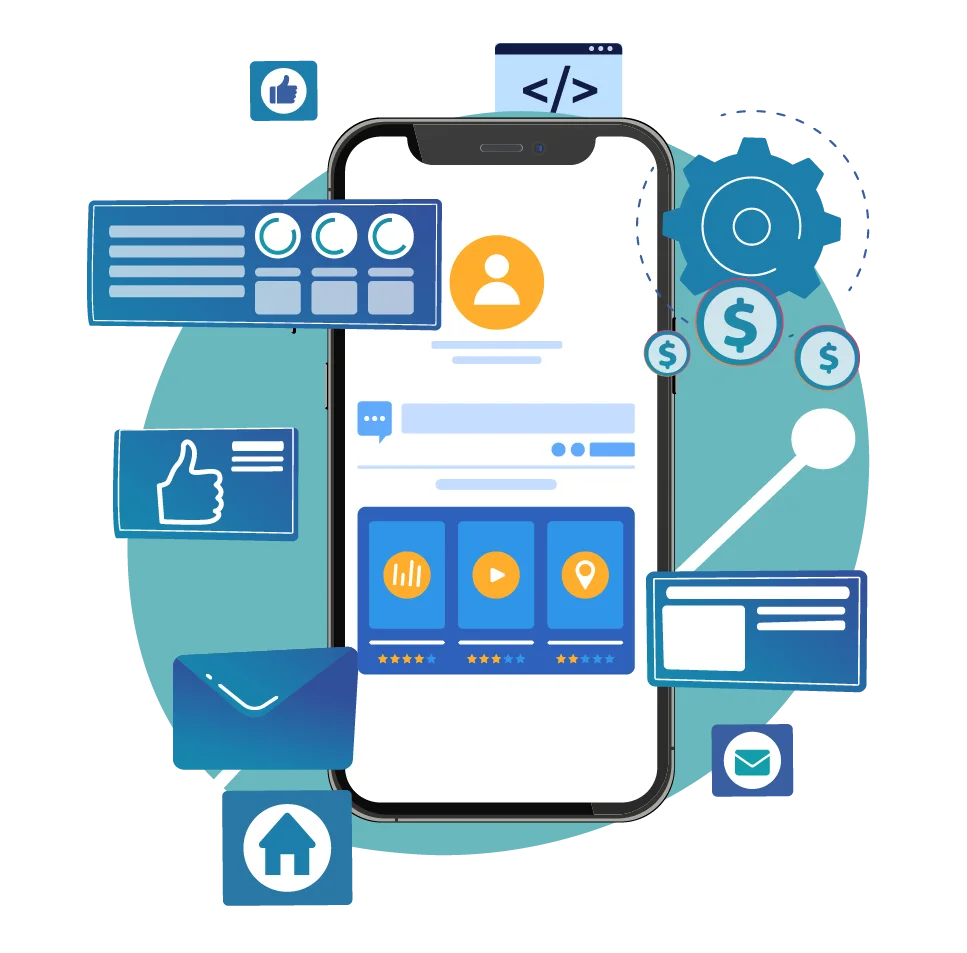
A flat vector illustration representing Enterprise Application Services by Digital Dividend, featuring a central smartphone interface surrounded by floating app development icons, code symbols, a gear, dollar signs, and analytics panels.
Table of Contents

What are Enterprise Application Services?

Enterprise application services cover the full lifecycle of building, integrating, and maintaining business software that operates at scale. Unlike off-the-shelf platforms, enterprise system services are designed around how your organisation actually works, not how a vendor imagined a generic business might work.

A corporate application service might be a custom ERP, a cross-departmental workflow platform, a customer portal, or a set of integrated business systems that share data in real time. What makes them enterprise-grade is their ability to handle large user volumes, complex processes, and regulatory requirements without breaking down.

Business application services are not limited to large corporations. Any organisation with complex, interconnected operations and a need for reliable, scalable software qualifies. What matters is the challenge, not the headcount.

Challenges Enterprise Software is Built to Solve

Most businesses reach a point where the tools they started with start creating more problems than they solve. Common challenges we hear from clients before they come to us include:

Enterprise application development addresses these directly, replacing fragmented workarounds with connected, scalable architecture built for how your business actually operates.

What Do Enterprise Application Services Include?

A complete enterprise application service covers far more than development. It spans strategy, architecture, build, integration, testing, and long-term support. Here is what that looks like in practice.

Enterprise Application Consulting

Before any development begins, our IT consulting team works with your stakeholders to map current processes, assess existing systems, and define what the right solution actually looks like. This prevents expensive rework later and ensures the software addresses real operational problems from the start.

Custom Enterprise Application Development

We build bespoke software development services designed around your workflows. This includes web platforms, data management systems, portals, dashboards, and process automation tools. Every custom enterprise application we deliver is production-ready, properly documented, and built to be maintained and extended over time.

Enterprise Web Application Services

Browser-based applications that handle complex business logic, large data sets, and multi-user access simultaneously. We build using proven frameworks including React, ASP.NET, and Node.js, with architecture designed for security, performance, and long-term scalability.

Enterprise Mobile Application Services

Field teams and distributed workforces need reliable mobile access to core systems. We develop enterprise mobile applications for iOS and Android, including React Native cross-platform builds, that connect to your back-end securely and perform well under real working conditions. See our mobile app development services for more on how we approach this.

Enterprise application integration services

Connecting new software to existing CRMs, ERPs, databases, and third-party APIs is where enterprise projects most often get complicated. Our integration work ensures data flows cleanly across your entire technology stack without duplication or manual reconciliation.

Enterprise application testing services

We run structured quality assurance across functional, performance, security, and user acceptance testing before any deployment. Testing is not an afterthought. It is a defined phase built into every project we deliver.

Enterprise Application Maintenance and Support

Software is not a one-time deliverable. We provide structured maintenance agreements covering bug fixes, performance monitoring, security updates, and incremental improvements, so your application stays reliable as your business evolves. Enterprise application management services from a team that already knows your codebase are far more effective than starting from scratch with a new vendor every time something needs changing.

Get a free project estimate from our senior development team. Whether you are starting from scratch or modernising a legacy system, we can scope your requirements and give you a clear picture of cost and timeline.
How Enterprise Application Services Improve Business Efficiency

The measurable benefits show up quickly when enterprise software is built and implemented well. Teams stop re-entering data between systems. Reports that once took hours run in seconds. Approval workflows that depended on email chains happen automatically. Compliance reporting that needed manual auditing gets generated on demand.
Specific outcomes clients see include faster time-to-market for new processes, lower operational costs through automation, better decision-making through centralised real-time data, and reduced IT overhead from consolidating fragmented tools into a single connected platform. According to Gartner, organisations that invest in integrated enterprise applications consistently report lower cost-per-transaction and higher workforce productivity compared to those running disconnected point solutions.
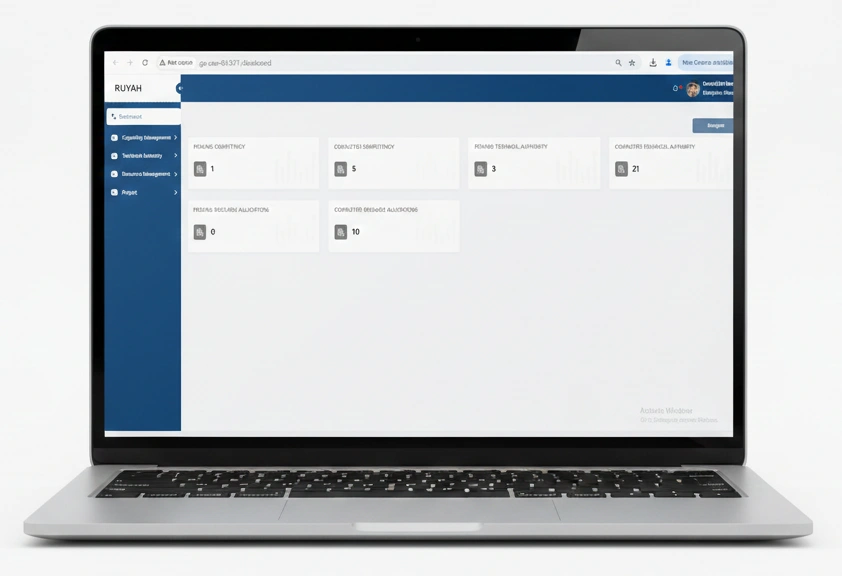
When we built the RUYAH platform for a Middle Eastern oil sector client, the system managed resource allocation across 1,000+ users and multiple departments, replacing manual processes that were creating delays and errors at operational scale.

Our approach to enterprise application development

We follow a structured delivery process that keeps projects on time, on budget, and aligned with actual business goals throughout.

Solution Architecture and Design

Before code is written, we design the system architecture: data models, API structure, security layers, hosting setup, and scalability plan. This phase prevents technical debt from accumulating later and ensures the build phase moves efficiently.

Discovery and Requirements Scoping

We start with your stakeholders, not a template. The discovery phase maps current processes, identifies integration points, and defines scope, priorities, and measurable success criteria for the project before any development begins.

Agile development and integration

Development proceeds in structured sprints with regular review points. You see working software early and can adjust priorities as the project progresses. Integration with existing systems is handled as a defined workstream throughout, not addressed at the end.

Testing, Deployment, and Launch

Every release goes through our QA process before it reaches production. We handle deployment, environment configuration, and go-live support so transitions are smooth and disruption to your operations is minimal.

Ongoing support and evolution

After launch, we remain available for maintenance, support, and future development phases. Most of our enterprise clients work with us across multiple projects because the codebase knowledge and relationship we build has genuine long-term value.

Technologies and platforms we work with

Our teams select the right tools for each project rather than defaulting to a single preferred framework. Core technologies we work with include:

Category Technologies
Frontend React, Angular
Backend ASP.NET, Node.js, PHP
Mobile React Native, Flutter, iOS (Swift), Android (Kotlin)
Databases SQL Server, PostgreSQL, MongoDB
Cloud Microsoft Azure, AWS
Integration REST APIs, GraphQL, third-party connectors
ERP ERPNext, Odoo

We also integrate Microsoft Power BI for business analytics and reporting, giving operational teams real-time visibility into the data that matters. All cloud deployments follow the security and compliance standards outlined in Microsoft Azure’s enterprise architecture framework.

Essential features of enterprise application software

Not every business application qualifies as enterprise-grade. The features that separate enterprise software from standard business tools include:

Role-based access control, so different users interact only with the data and functions relevant to their role. Full audit trails and activity logging for compliance and accountability.

Scalable architecture designed to handle growth in users, data volume, and transactions without performance degradation. API connectivity to integrate cleanly with your existing technology ecosystem.

Multi-location and multi-language support where operations span geographies. And security standards aligned with industry requirements, including data encryption at rest and in transit, secure authentication, and environments designed to pass penetration testing.

Enterprise application development cost and timeline

Cost and timeline vary significantly based on scope, complexity, and integration requirements. A focused internal tool for a single department may take 3 to 5 months and be delivered at a fraction of the cost of a multi-department enterprise platform. A complex system with multiple integrations and a large user base will require phased delivery and more extensive planning.

We always recommend starting with a defined discovery phase. This produces accurate estimates based on your actual requirements rather than assumptions, and prevents budget surprises mid-project.

As a general guide:

  • Scoped internal tools: 3 to 5 months
  • Mid-complexity platforms with integrations: 5 to 9 months
  • Full enterprise systems across multiple departments: 9 months and above

According to Statista, global enterprise software spending continues to grow year on year, with businesses increasingly prioritising custom and cloud-based solutions over rigid off-the-shelf products. Our Sweden and USA-led teams communicate transparently on cost throughout. If scope changes, we discuss it openly before any additional work begins.

Industries that benefit from enterprise application services

Enterprise software requirements vary considerably by sector. We have delivered solutions across a wide range of industries, each with its own compliance requirements, workflow complexity, and integration challenges.

Enterprise application services for healthcare

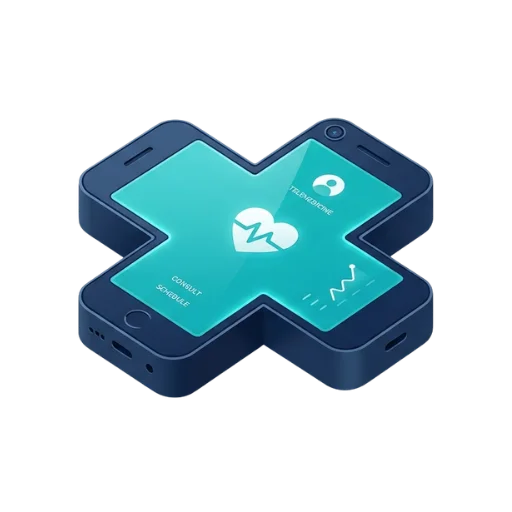
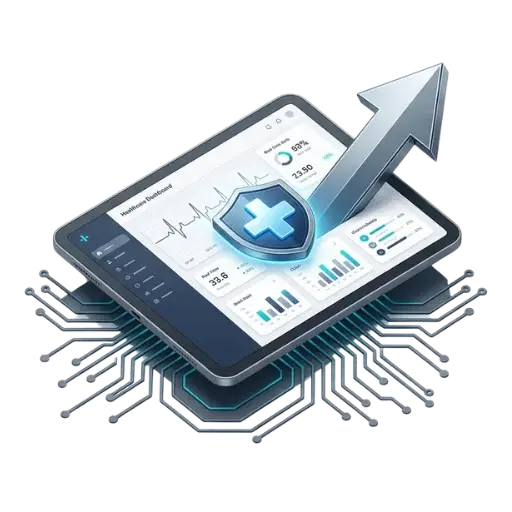
Healthcare organisations require software that handles sensitive patient data securely, integrates with clinical systems, and meets regulatory standards. We have built platforms covering telemedicine, EHR integration, remote patient monitoring, and healthcare SaaS for startups and established providers alike. Our healthcare software development work follows data protection requirements and is designed to scale with clinical demand.

Financial services and banking

Finance applications require audit-ready architecture, strong access controls, and consistent performance under high transaction volumes. We build custom financial platforms with the security and reliability the sector demands.

Manufacturing and supply chain

From ERP systems to production tracking and supply chain visibility tools, manufacturing clients need software that connects shop floor operations to management reporting in real time. Our ERP software development includes ERPNext and Odoo implementations for manufacturers across Europe and the GCC.

Retail and e-commerce

Retail enterprise software covers inventory management, multi-channel ordering, loyalty platforms, and back-office integration. We build custom retail platforms and solutions on Shopify and WooCommerce for clients who need flexibility beyond standard templates.

Logistics and transportation

Fleet management, route optimisation, order tracking, and dispatch systems are common requirements in logistics. We have delivered ordering and tracking systems for automotive and transport sector clients where accuracy and real-time data availability are critical to operations.

Enterprise application services for small businesses

Enterprise software is not exclusively for large corporations. Small businesses with complex operations, such as a manufacturer with multiple production lines, a healthcare provider managing patient records, or a logistics company tracking dozens of vehicles, often outgrow standard tools long before they think of themselves as enterprise clients.

We work with small businesses that need the reliability and structure of enterprise software without the cost of large vendor contracts. By scoping carefully and building on proven frameworks, we deliver solutions that fit the budget and scale with the business as it grows. If you are exploring what this could look like for your organisation, hire a dedicated developer from our team on a flexible engagement model.

Cloud-based enterprise application services

Cloud deployment has become the standard for enterprise application development, and the reasons are practical rather than theoretical. Cloud-based enterprise applications reduce the need for on-premise infrastructure, lower maintenance overhead, and enable reliable access from any location on any device.

We develop cloud-native applications and support migration of existing systems to cloud environments, primarily on Microsoft Azure and AWS. Deployment options include public cloud, private cloud, and hybrid architectures, depending on your data residency requirements, compliance obligations, and performance targets. Our AI software development practice also integrates cloud-based AI and machine learning capabilities into enterprise platforms where there is a genuine operational use case. See our AI software development services for more on this.

What are the trends in enterprise application services?

Several developments are reshaping how enterprise software is built and used in 2026.

Intelligent features are moving from standalone AI tools into core enterprise applications: predictive analytics, automated approval workflows, AI-powered reporting, and resource planning that adapts in real time. This is no longer experimental. It is what enterprise buyers expect as standard.

New enterprise applications are designed as connected ecosystems rather than isolated systems. API-first design makes it far easier to integrate with third-party tools and adapt to new technology requirements without rebuilding from scratch.

Rather than replacing entire systems in one project, organisations are breaking applications into modular components that can be updated independently. This reduces delivery risk and keeps systems adaptable as business needs change.

Enterprises are combining custom-built core systems with configurable modules to reduce time-to-value in specific areas without sacrificing the flexibility that matters most in their critical workflows.

For manufacturing, logistics, and IoT-heavy operations, processing data at the point of collection rather than routing everything to a central server is improving performance and reducing latency in ways that matter operationally.

Why work with Digital Dividend for enterprise application services?

There are many software development companies offering enterprise application development. These are the factors that make a practical difference when you are choosing a long-term technology partner.

  • Experience you can verify. Having built 300+ projects across healthcare, manufacturing, finance, logistics, and education since 2008, we can share relevant case studies for almost any sector you work in. Browse our case studies to see the work.
  • A team that stays accountable. Our projects are led by experienced engineers in Sweden and the USA, with delivery support from Pakistan. That model gives you clear communication, strong technical oversight, and cost-effectiveness that most single-location agencies cannot offer.
  • No subcontracting. Our 100+ developers are in-house. You are not working through intermediaries or dealing with teams you have no visibility into.
  • Long-term thinking. We build software to be maintained and extended, not to hand off and move on. Most of our enterprise clients work with us across multiple years and multiple projects because the relationship and codebase knowledge we build is genuinely valuable over time.
  • Honest communication on cost and scope. If a requirement is going to add cost or time, we tell you before it happens. No surprises at invoice time.

Our work in enterprise application development

RUYAH: Enterprise resource management for the oil sector

We built the RUYAH platform for a client operating across the Middle East oil and gas sector. The system manages resource allocation and operational planning for over 1,000 users across multiple departments and locations. The platform replaced a set of manual processes and disconnected tools with a single integrated system, giving management real-time visibility into resource availability and deployment across the organisation.

Digital Dividend demonstration of the RUYAH – Discipline & Resource Management Platform mobile interface, showing an administrative dashboard or login screen across three devices.
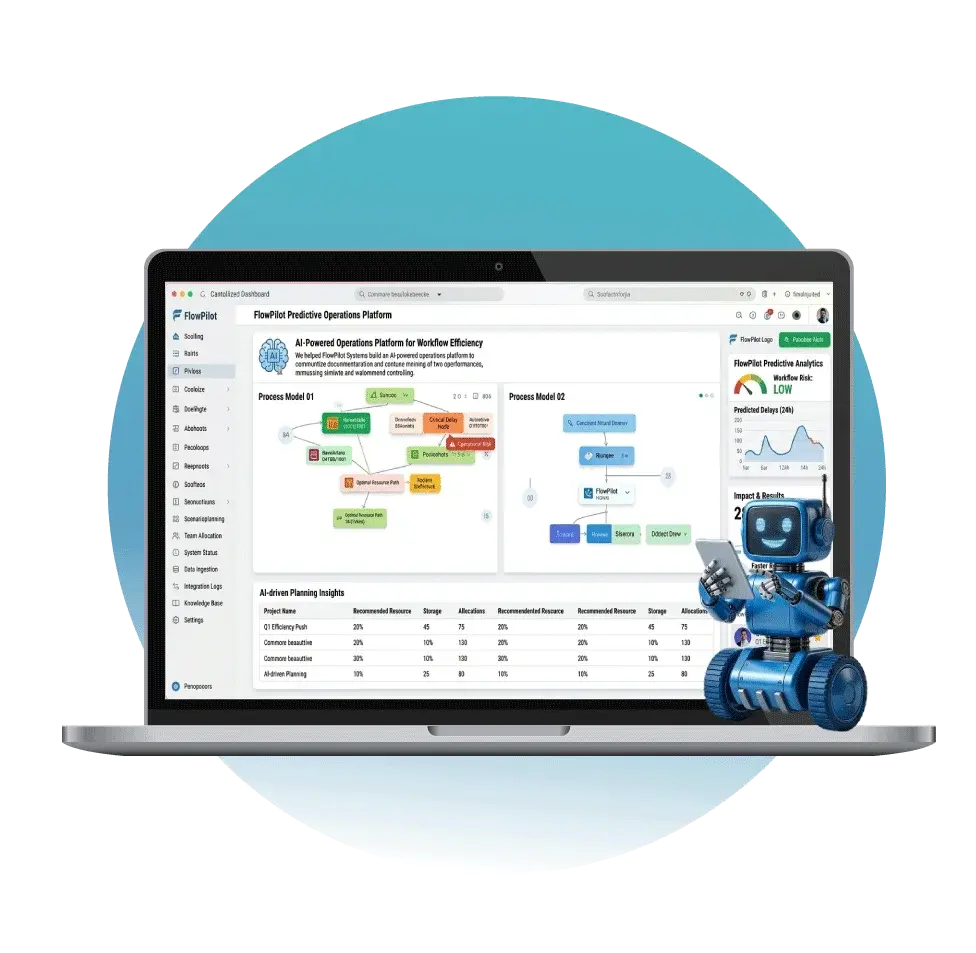
A laptop showing a Predictive Operations Platform for FlowPilot Systems dashboard with process models and efficiency charts, accompanied by a small blue robot assistant, built by Digital Dividend.

FlowPilot Systems: Predictive operations platform

For FlowPilot Systems, we delivered a predictive operations platform designed to give enterprise operations teams advance warning of bottlenecks and capacity issues before they affect output. The platform integrates operational data from multiple sources and surfaces actionable insight through a configurable dashboard, enabling proactive decision-making rather than reactive firefighting.

What our clients say

Smart Solutions Across Multiple Technologies

Digital Dividend specializes in software development, mobile apps, eCommerce, CMS, IoT integration, analytics, and healthcare product solutions.

Expand your enterprise capabilities with top-tier application experts.

Digital Dividend supplies qualified professionals to accelerate digital transformation and operational growth.

Frequently asked questions about enterprise application services

No. SaaS (Software as a Service) refers to a subscription-based software product delivered over the internet and shared across many customers. Enterprise application services involve building, integrating, or maintaining software that is specific to your organisation’s processes and requirements. Enterprise applications may be deployed on cloud infrastructure, but they are not shared multi-tenant products. They are designed and owned by the business they serve.

IT services is a broad term that covers everything from hardware support and network management to helpdesk and cybersecurity. Enterprise application services are specifically focused on business software: building, integrating, and maintaining the applications your organisation runs on. They sit within the wider IT services category but are a specialised discipline that requires software engineering, system architecture, and domain knowledge specific to your industry and operations.

Traditional software development often refers to building a standalone product or tool. Enterprise application services are broader in scope. They address the full lifecycle of complex business systems, including integration with existing platforms, scalability planning, compliance requirements, change management, and long-term support. Enterprise applications also typically serve multiple user roles simultaneously, handle high volumes of transactions or data, and need to remain reliable 24 hours a day across the organisation.

The scope includes any software that supports core business operations at an organisational level. This covers custom application development, legacy system modernisation, systems integration, enterprise mobile and web platforms, cloud migration, business intelligence, and ongoing application management. Depending on the organisation, the scope may span a single department or the entire enterprise, and may involve multiple integrated systems working together rather than a single standalone application.

This depends on the industry and geography. Healthcare enterprise applications typically follow HIPAA or equivalent regional standards for patient data. Financial services applications align with PCI-DSS and relevant banking regulations. GDPR applies to any organisation handling personal data of EU residents. At Digital Dividend, security is built into the architecture from the start, covering data encryption, role-based access control, secure APIs, audit logging, and environments configured to support penetration testing and compliance audit requirements.

Ready to build an enterprise application that works the way your business works?

Talk to our senior development team about your project. No commitment required, just a straightforward conversation about what you need and whether we are the right fit.

Let’s unlock what AI can do for your business.

circle-shape-with-line
bottom-banner-image

    This site is registered on wpml.org as a development site. Switch to a production site key to remove this banner.