

dd-logo-loader
logo
logo

Language

Awesome Image Awesome Image

ERPNext Service Providers That Deliver End-to-End ERP, Not Just Go-Lives

Unify Every Business Operation, From Finance to Fulfillment, on a Single ERPNext Platform

Most businesses don’t have a software problem. They have a fragmentation problem, accounting in QuickBooks, HR in spreadsheets, inventory in a legacy tool, and sales in Salesforce, all running in silos and refusing to sync.
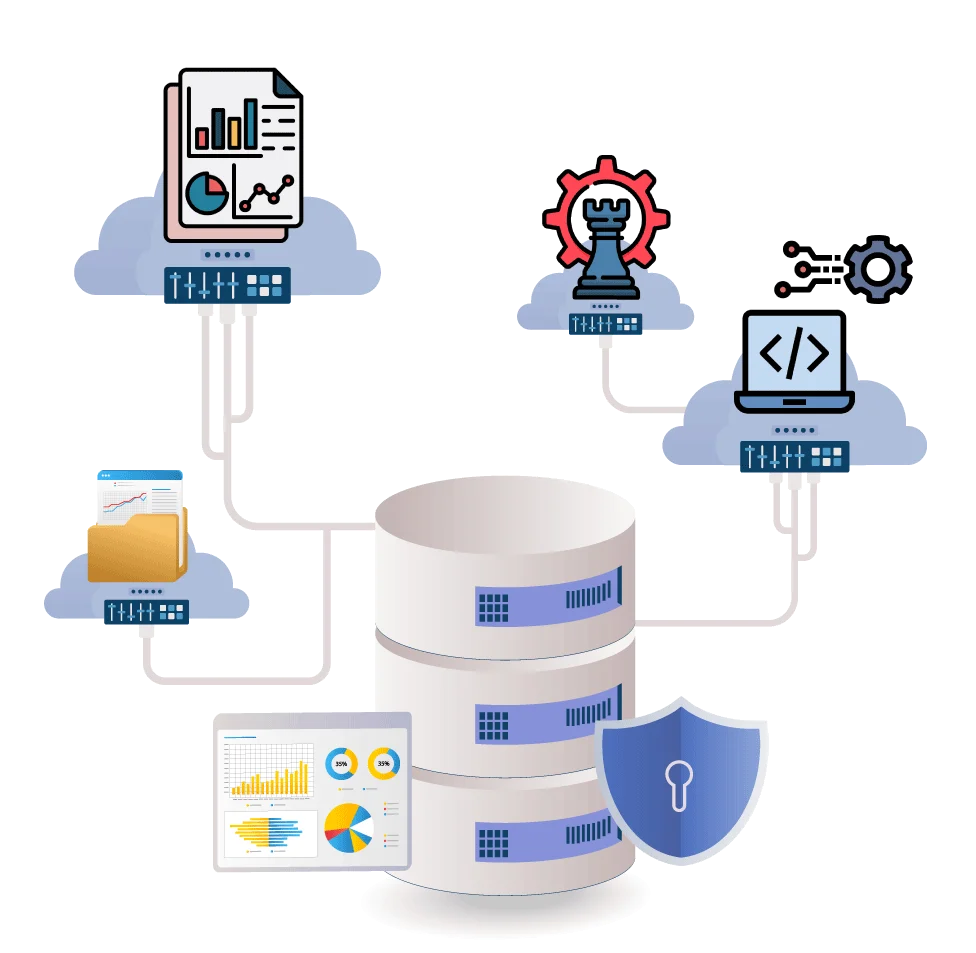
ERPNext, built on the open-source Frappe Framework, consolidates finance, HR, inventory, manufacturing, CRM, and procurement into one connected platform with a single database. As certified ERPNext service providers, Digital Dividend has deployed ERPNext for 50+ companies across 12 industries, cutting operational overhead and reducing time-to-insight from days to seconds.
The global ERP software market is projected to reach $78.4 billion by 2026 (Statista, 2025). More businesses are moving away from expensive, rigid platforms like SAP and Oracle toward open-source alternatives that deliver enterprise-grade power without per-seat licensing costs.
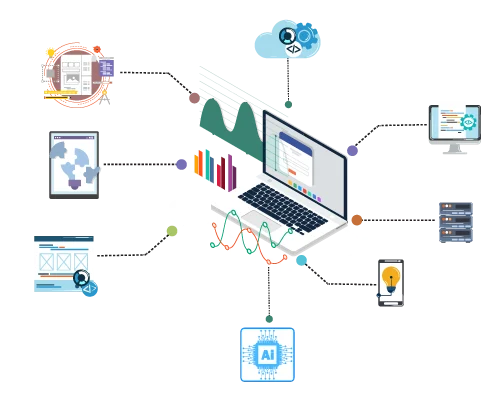
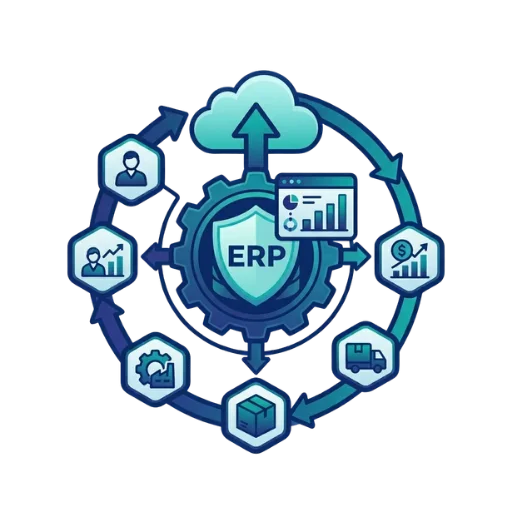
A professional infographic by Digital Dividend showcasing ERPNext Service Providers, featuring a laptop with the "ERP" logo surrounded by business icons for inventory, retail, and financial tracking.

Talk to our expert developers about your ERPNext requirements. No commitment, just a clear scoping conversation.
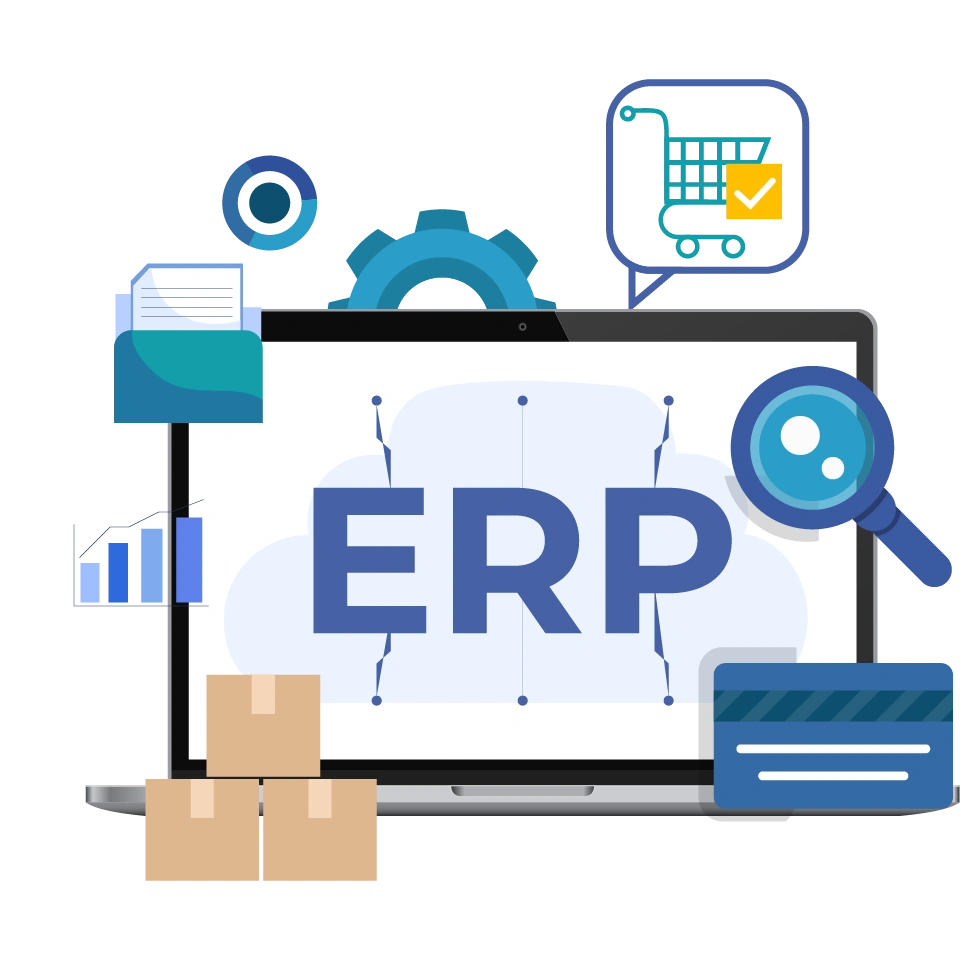

Table of Contents

Why Most ERPNext Projects Fail, and How We Fix That

75% of ERP implementations fail to meet their original scope, timeline, or budget (Gartner, 2023). The problem is rarely the software. It is almost always the approach taken by the vendor or implementation partner.

Disconnected Systems That Kill Operational Efficiency

When finance, HR, warehouse, and sales run on separate tools, data reconciliation consumes 20–30% of every manager’s working week (McKinsey, 2024). Decisions get made on stale numbers. Errors compound across departments until an audit surfaces them months later.

Customizations That Break on Every Frappe Upgrade

Many ERPNext vendors write customizations directly into the Frappe core codebase. Because those changes bypass the app framework, every Frappe version release, approximately twice per year, risks breaking core functionality and triggering costly rewrites.

Implementations With No Predictable Go-Live Date

ERP projects take on average 33% longer than planned (McKinsey, 2023). The cause is almost always skipped business process mapping. Consultants begin configuration before understanding actual workflows, and scope grows week by week with no change control in place.

No Support After Go-Live

Post-implementation abandonment is a documented pattern. 38% of companies report inadequate vendor support as the top reason their ERP underperformed after go-live (Panorama Consulting, 2024). Internal teams inherit a system they were never trained to manage.

Data Migration Errors That Corrupt Financial Records

Legacy data migrated from QuickBooks, Tally, SAP B1, or Excel without a formal validation layer produces silent errors, duplicate vendors, misaligned chart of accounts, and incorrect opening balances that surface during audits months after cutover.

Scope Creep That Doubles the Original Budget

Without a fixed-scope discovery phase, every stakeholder meeting generates new requirements. Because most ERPNext vendors bill hourly without a change-control process, these additions accumulate invisibly until the final invoice arrives, often double the original estimate.

How Digital Dividend Delivers ERPNext Without the Guesswork

This software development agency runs every ERPNext engagement on a fixed-scope discovery model, two-week sprints, and a six-stage delivery framework that eliminates the variables that kill most ERP projects.

Business Process Discovery and Mapping, Weeks 1–2

The expert developers at Digital Dividend run structured workshops with every department head before touching a single configuration. The output is a signed Business Requirements Document (BRD) and an as-is/to-be process map. No development starts until both are approved.

Gap Analysis and Solution Architecture, Weeks 2–3

Using the BRD, the team identifies which ERPNext modules cover the requirement out-of-the-box versus which gaps need custom Frappe apps. Every customisation is budgeted and approved before development begins, which eliminates scope creep at the source.

Agile Implementation with AI-Assisted Development, Weeks 3–14

Delivery runs in two-week sprints.The experienced developers with AI at Digital Dividend use AI-powered code review, automated test generation, and intelligent documentation, cutting delivery time by up to 40% compared to traditional agency timelines without compromising quality.

Data Migration, Testing, and UAT, Weeks 12–18

Data migration runs against a three-stage validation pipeline: structural validation, business rule validation, and reconciliation sign-off. Three rounds of User Acceptance Testing are completed, and UAT sign-off is required before any go-live date is confirmed.

Training, Handover, and Knowledge Transfer, Week 16–18

Role-based training sessions for every department, supported by recorded video walkthroughs and a Frappe-certified trainer. Every client receives a system administration handbook and a documented upgrade procedure before cutover begins.

Hypercare and Ongoing Support, Week 18 Onwards

A 30-day hypercare window is built into every project contract. Daily stand-ups run during the first two post-launch weeks. After hypercare, clients choose between a monthly unlimited retainer or an SLA-backed ticket model, both with response times defined in writing.

Our ERPNext Services, Built for Business Outcomes, Not Just Deployments

Digital Dividend, one of the leading ERPNext service providers in the market, covers the full service spectrum, from first consultation through to long-term platform evolution. Every service is scoped, priced, and delivered against a written SLA.

ERPNext Configured for Regulatory Compliance From Day One

GDPR fines across Europe reached €2.1 billion in 2023, the highest annual total since the regulation took effect (DLA Piper, 2024). Compliance is not a feature to bolt on later; it is a configuration requirement built into every Digital Dividend ERPNext engagement from the discovery phase.

GDPR and Data Privacy Compliance

Role-based field-level access controls, data retention policies, and right-to-erasure workflows meeting GDPR Article 17. Full audit logs record every data access event with user identity, timestamp, and action type, exportable for DPA requests.

HIPAA-Ready ERPNext for Healthcare

AES-256 encryption at rest and TLS 1.3 in transit. PHI access logging with per-record audit trails. Session timeout policies and IP-restricted access for clinical data environments. Business Associate Agreements (BAAs) available on request. → View our healthcare software development services

Financial Compliance: SOX, GST, VAT, Multi-Currency

ERPNext’s period-close controls, immutable journal entries, and approval workflows satisfy SOX requirements for US-listed companies. Tax rule configurations cover GST (India, Australia), VAT (UK, EU, UAE), and US sales tax across 20+ jurisdictions.

ISO 27001 and Infrastructure Security

Server hardening, intrusion detection, and security patches applied within 48 hours of CVE disclosure. Clients in regulated industries receive a documented information security policy aligned to ISO 27001 controls on request.

The Technology Stack Behind Our ERPNext Services

Digital Dividend builds on a production-proven stack. Every component below is open-source, actively maintained, and used in live client environments today.

Frappe Framework (v14 / v15)

Frappe is the open-source Python web framework that powers ERPNext. All custom apps are built on Frappe’s app layer, separate from ERPNext core, so every platform upgrade leaves client customisations fully intact. Frappe Technologies releases major versions approximately every 18 months.

Python 3 and the Frappe ORM

Server-side business logic runs in Python 3 using Frappe’s built-in Object-Relational Mapper for all database interactions. Digital Dividend’s professional developers follow PEP8 standards and Frappe coding conventions, producing code any certified Frappe developer can maintain.

JavaScript, Vue.js, and Jinja2

Client-side form logic and validation use Frappe’s JavaScript API. Complex UI components use Vue.js for reactive interfaces. Jinja2 handles all print formats, invoices, delivery notes, payslips, and transactional email templates rendered server-side.

MariaDB and Redis

MariaDB serves as ERPNext’s relational database engine, handling all transactional records. Redis manages background job queues, server-side caching, and real-time dashboard updates via Socket.IO, keeping multi-user environments fast even at peak concurrent load.

Docker and Kubernetes

Every production ERPNext deployment uses Docker for consistent, reproducible environments across development, staging, and production. Enterprise multi-tenant setups use Kubernetes for horizontal pod scaling, automated failover, and zero-downtime rolling updates.

Frappe Cloud, AWS, and Azure Hosting

Managed hosting runs on Frappe Cloud for simplicity or AWS EC2 / Azure VM for clients with existing cloud commitments. CI/CD pipelines via GitHub Actions or GitLab CI automate testing and deployment on every code push, eliminating manual release risk.

ERPNext Implementation Cost and Timeline: Honest Estimates

Competitors avoid publishing numbers. Digital Dividend does not. The average mid-market ERP implementation on proprietary platforms costs $2.8 million (Panorama Consulting, 2024). ERPNext eliminates licensing entirely, that budget goes to implementation, customisation, and support.

What Drives the Cost of ERPNext Services

Five variables determine total project cost: number of modules selected, extent of custom Frappe app development, volume and condition of legacy data, number of third-party integrations, and depth of training required. Each is scoped and priced independently during the fixed-price discovery phase.

Module Count

A base deployment covering Finance, HR, and Inventory takes 8–12 weeks. Each additional module, Manufacturing, CRM, Projects, or Assets, adds approximately 1–3 weeks depending on configuration complexity and the number of approval workflows required.

Custom Frappe App Development

Off-the-shelf ERPNext configuration costs significantly less than bespoke app development. Custom Frappe apps, when required, add 20–40% to the total project budget. Digital Dividend scopes these separately so clients understand the trade-off before committing to development.

Data Migration Complexity

Clean, well-structured data takes 2–3 weeks to migrate and validate. Legacy data spread across multiple systems with no schema documentation takes 4–8 weeks. A data readiness audit, included in every discovery phase, surfaces this risk before it becomes a budget surprise.

Typical Timeline by Business Size

Company Size User Count Scope Est. Timeline
Small Business 1–10 3–4 core modules 6–10 weeks
SMB 10–50 6–8 modules 12–20 weeks
Enterprise 50+ Full suite + custom apps 20–36 weeks

Engagement Models

Three options are available: a fixed-scope project for clients with defined deliverables, a dedicated ERPNext developer retainer for ongoing roadmap execution, and an hourly support contract for post-go-live maintenance. All three include a written SLA with defined response times.

Get a written cost estimate for your specific module requirements, no guesswork, no open-ended retainer before scoping is complete.

Core ERPNext Modules We Implement Across Every Industry

ERPNext covers the full business operation in one codebase. Building on this, Digital Dividend pre-configures each module for the client’s industry vertical, reducing setup time and UAT cycles because the configurations are based on 50+ prior deployments.

Finance and Accounting

General ledger, AP/AR, bank reconciliation, multi-currency, period-close controls, and tax rules for 20+ jurisdictions. Replaces QuickBooks and Xero for most mid-market businesses.

HR, Payroll, and Leave

Employee master, payroll with tax deduction, attendance, leave policies, expense claims, and performance appraisal. Payroll journals post automatically to the Finance module.

Inventory and Warehouse

Multi-warehouse stock tracking with FIFO and Moving Average valuation, batch and serial number traceability, reorder automation, and real-time stock ageing reports.

CRM and Sales Pipeline

Lead capture, opportunity tracking, quotation builder, sales order management, and a customer self-service portal, all feeding directly into revenue recognition and cash flow forecasting.

Manufacturing and Production

Bill of Materials (BOM), work order scheduling, production capacity planning, quality inspection checkpoints, and scrap tracking. Companies using this module see a 21% improvement in on-time delivery on average (Aberdeen Group, 2024).

Purchase and Vendor Management

Purchase requisition workflows, PO approval chains, Goods Receipt Notes, vendor evaluation scorecards, and landed cost allocation. Three-way match (PO, GRN, invoice) is automated and auditable.

Project Management

Task management with milestone tracking, timesheet-based billing, project budget vs. actual reports, and project profitability dashboards, linked directly to HR and Finance for one-system billing reconciliation.

Asset and Maintenance

Asset register, depreciation schedules (straight-line and reducing balance), AMC contract tracking, and maintenance work order management with engineer assignment.

Reports and Business Intelligence

200+ standard reports via ERPNext’s built-in Report Builder. For advanced analytics, Digital Dividend integrates ERPNext with Power BI or Metabase via REST API, no data warehouse middleware required. → See our data and analytics services

The Business Case for ERPNext Over Generic SaaS ERP

Compared to proprietary ERP platforms, ERPNext delivers the same enterprise-grade capability at a fraction of the total cost. The financial case strengthens significantly when measured over a 3–5 year horizon against platforms like SAP, Oracle, and NetSuite.

Up to 60% Lower Total Cost of Ownership vs. SAP and Oracle

ERPNext carries zero per-seat licensing fees. A 50-user mid-market company pays $0 in ERPNext license costs versus an estimated $180,000–$420,000 per year on SAP S/4HANA Cloud or Oracle Fusion (Nucleus Research, 2024). The savings fund the full implementation and support budget.

Full Data Ownership, No Vendor Lock-in, Ever

Your data lives in a MariaDB instance you control. Export it any time in standard SQL or CSV. No proprietary data model ties your business records to a vendor relationship, a risk that cost companies an average of $1.2 million when switching away from locked SaaS ERP platforms (Gartner, 2024).

One Platform Replaces 5–8 Disconnected SaaS Tools

The average mid-market business spends $9,000–$18,000 per department per year on disconnected SaaS tools that ERPNext replaces outright (Blissfully SaaS Trends, 2023). One system eliminates QuickBooks, Salesforce CRM, ADP Payroll, Asana, and custom inventory tools, along with their integration overhead.

Scales From 5 to 5,000 Users Without Re-platforming

ERPNext runs on a $20/month shared server for a 5-user startup and on a Kubernetes cluster handling 5,000 concurrent users for an enterprise. The codebase is identical at both scales, no re-training, no data migration, no new implementation project when the business grows.

AI-Ready Architecture for the Next Wave of Automation

Frappe's open API architecture lets Digital Dividend's experienced developers with AI layer machine learning models directly onto ERPNext data, AI-assisted purchase order matching, automated expense categorisation, and demand-driven inventory reorder. → Learn about our Agentic AI development services

What End-to-End ERPNext Service Delivery Looks Like With Digital Dividend

Every engagement follows a six-phase delivery framework. Each phase has defined inputs, outputs, and sign-off criteria, so both teams always know exactly what is being built, by when, and at what cost.

Discovery and Scoping

Stakeholder workshops, as-is process documentation, module selection, effort estimation, risk register, and written scope sign-off. Output: fixed-price project proposal with timeline and deliverables.

System Design and Configuration

Chart of accounts design, user role matrix, approval workflow mapping, print format templates, and custom field specifications, all configured in a staging environment before any custom development begins.

Custom Development and Integration

Frappe custom apps, third-party API integrations, and bespoke report development run in two-week sprints. A working demo is delivered to client stakeholders at the end of every sprint, no surprises at UAT.

Data Migration and Testing

Parallel system run alongside legacy. Three UAT rounds covering functional accuracy, edge cases, and role-based access. Performance tested at expected peak concurrent user load before cutover approval is granted.

Go-Live and Hypercare

Structured cutover plan with a documented rollback procedure. Dedicated support on standby for go-live day. Daily 15-minute stand-ups with the full project team during the first two post-launch weeks.

Optimisation and Product Roadmap

Quarterly business reviews, feature backlog prioritisation, and ERPNext version upgrade planning to keep production environments on supported Frappe releases, permanently, not just at launch.

Start With a Free ERPNext Consultation, No Commitment Required

What Happens in Your 30-Minute Discovery Call

The expert developers at Digital Dividend review your current technology stack, identify the single biggest operational bottleneck, and recommend the right ERPNext modules and engagement model for your business size and budget. No sales pitch, just a clear, actionable conversation.

What We Send After the Call

Within 48 hours of the call, you receive a written scoping document with module recommendations, a rough implementation timeline, and a budget range. Use it directly to build your internal business case, no follow-up required.

Ready to scope your ERPNext project? The call is free. The scoping document is yours to keep.

ERPNext in Action: How We Have Helped Businesses Like Yours

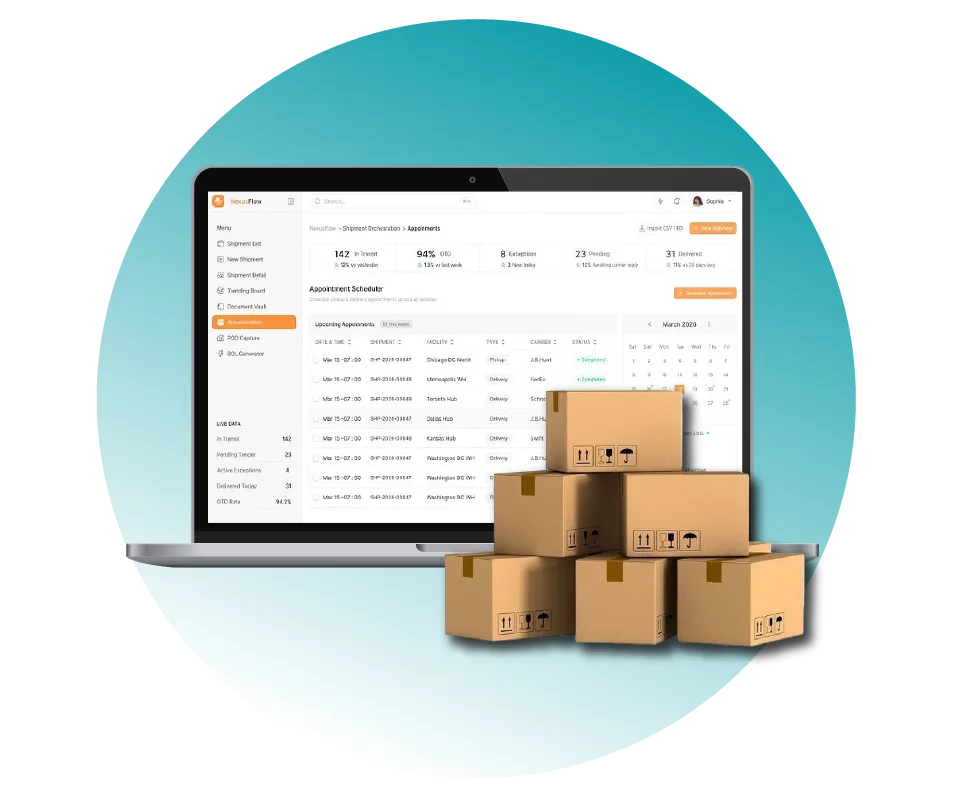
NexaFlow Distribution, ERPNext for a Multi-Warehouse Distributor

Problem

Solution

Timeline

Outcome:

NexaFlow Distribution, ERPNext for a Multi-Warehouse Distributor
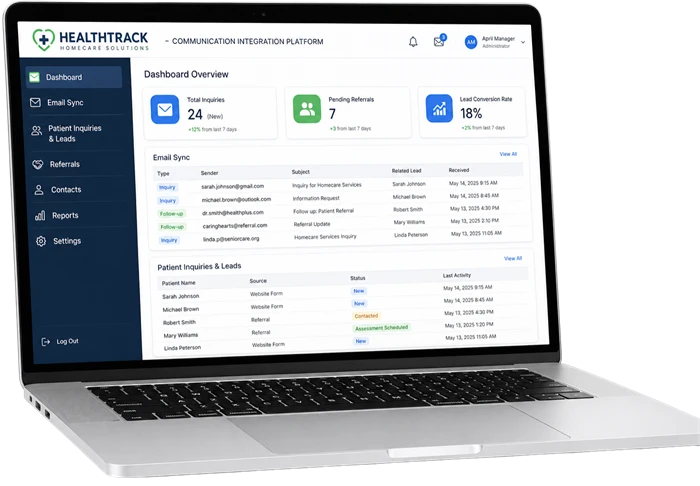
A professional executive summary document for the Healthcare Communication Integration Platform developed by Digital Dividend, outlining the platform's key operational advantages and technical architecture.

MediBridge Health, HIPAA-Compliant ERPNext for a US Healthcare Provider

Problem

Solution

Timeline

Outcome

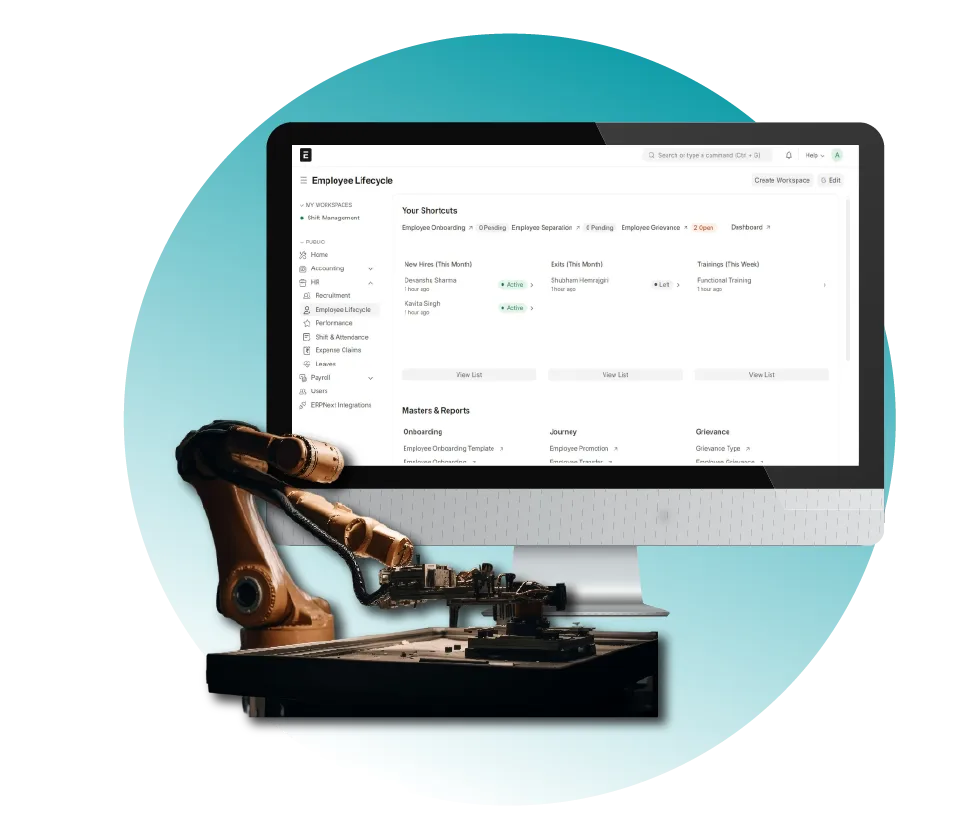
BuildCore Manufacturing, ERPNext for a 200-Employee Production Firm

Problem

Solution

Timeline

Outcome:

BuildCore Manufacturing

What Our Clients Say About Working With Our ERPNext Team

Digital Dividend ERPNext Delivery, By the Numbers

50+

ERPNext projects delivered across 12+ industries

98%

On-time go-live rate across all ERPNext engagements

40%

Markets Across the U.S.
and Beyond

12+

Industries served, healthcare to manufacturing to professional services

30

Days of hypercare included in every project contract at no extra cost

100%

Frappe-certified developers on every ERPNext engagement

Why Businesses Choose Digital Dividend Over Other ERPNext Service Providers

As certified ERPNext service providers with 50+ production deployments, Digital Dividend differentiates on five things that competitors do not offer in combination, not as upsells, but as standard on every engagement.

Frappe-Certified Developers With Deep Platform Knowledge

Every ERPNext engagement is staffed with Frappe-certified developers who have completed at least 10 production deployments independently. Clients do not pay for developers learning the framework on their timeline.

AI-Assisted Development That Cuts Delivery Time

The experienced developers with AI at Digital Dividend use AI-powered code review to catch bugs before testing, automated test generation to increase coverage, and AI documentation tooling to accelerate handover. As a result, clients receive working software 40% faster than with traditional agency timelines. → AI development

Fixed-Price Discovery, Full Cost Known Before Development Starts

Unlike ERPNext vendors who bill hourly from day one, this software development agency prices every engagement from a signed, fixed-scope discovery output. There are no estimates that quietly grow into invoices.

Post Go-Live Support Built Into Every Contract

30-day hypercare plus an ongoing SLA-backed support plan is included in every project, not sold as an optional add-on after go-live. The professional developers at Digital Dividend stay engaged because ERP performance is measured at 12 months, not on launch day.

Industry-Specific Configurations Ready at Day One

Pre-built configurations for healthcare, manufacturing, distribution, retail, and professional services cut UAT cycles significantly because this software development agency has delivered in each vertical before. → Industries we serve

Transparent Communication at Every Sprint

Weekly demos with working software. A shared project board updated daily. Slack access to the dedicated project manager. Clients always know exactly where the project stands, no status-meeting surprises, no end-of-month invoice shock.

Smart Solutions Across Multiple Technologies

Digital Dividend specializes in software development, mobile apps, eCommerce, CMS, IoT integration, analytics, and healthcare product solutions.

Scale your team with expert ERPNext service providers.

Digital Dividend delivers skilled ERPNext specialists to streamline implementation and accelerate your business operations.

Frequently Asked Questions About ERPNext Services

They consult on ERP strategy, implement ERPNext for a client’s specific business requirements, customise the Frappe Framework for industry-specific needs, integrate ERPNext with existing tools via REST API, migrate legacy data from systems like QuickBooks or SAP B1, and provide ongoing post-go-live support. The scope spans the full lifecycle from initial scoping to long-term platform evolution.

Small businesses deploying 3–4 modules typically go live in 6–10 weeks. SMBs with 6–8 modules take 12–20 weeks. Enterprise projects with custom Frappe apps and multiple integrations run 20–36 weeks. The three variables that affect timeline most are module count, legacy data condition, and integration complexity, all scoped and quantified in the discovery phase.

Small implementations typically start from $8,000–$15,000. Full mid-market deployments run $40,000–$150,000+. Because ERPNext is open-source, there are zero licensing fees, the entire budget covers implementation, customisation, training, and support. Digital Dividend provides a written, fixed-price scope before any work begins.

Yes. The Frappe custom app architecture lets Digital Dividend’s expert developers extend ERPNext for any vertical, healthcare, manufacturing, retail, logistics, professional services, without modifying ERPNext core code. Because customisations live in separate Frappe apps, every ERPNext version upgrade leaves them intact.

Vendors typically sell hosting, pre-packaged setups, or licenses. Consultants advise, implement, and customise. Digital Dividend operates as both, delivering the full implementation and remaining engaged post-launch with SLA-backed support, unlike most ERPNext vendors who exit at go-live and bill for every subsequent call.

Yes. Every project contract includes a 30-day hypercare window at no additional cost. After hypercare, clients choose between an unlimited monthly retainer or a per-ticket SLA contract. Response times, escalation paths, and resolution targets are defined in writing before onboarding, not negotiated when an issue occurs.

ERPNext integrates with Shopify, WooCommerce, Stripe, Xero, HubSpot, Salesforce, and any platform that exposes a standard REST API or webhook endpoint. Digital Dividend builds bidirectional sync with full error logging, automated retry logic, and monitoring dashboards for every integration. → ERPNext integration services

ERPNext is one of the few enterprise-grade ERP platforms that scales down to teams of five without a pricing penalty. Zero per-seat licensing means a 5-user startup pays the same license cost as a 500-user enterprise: nothing. Because setup and support costs are the only spend, small businesses get enterprise-grade functionality at a fraction of what SAP or NetSuite would cost (TechRepublic, 2025).

Frappe is the open-source Python web framework, the technical foundation. ERPNext is the ERP application built on top of it. All custom modules, portals, and integrations that Digital Dividend builds also use Frappe, meaning the entire stack shares one consistent architecture, one upgrade path, and one skill set to maintain.

Look for Frappe certification, documented deployments in your specific industry, a structured discovery phase with a fixed-price output, a clearly written post-go-live SLA, and transparent pricing from day one. Avoid vendors who begin billing before scoping is complete or who cannot reference live production clients. → Browse our case studies to evaluate our delivery track record

Reliable ERPNext Service Providers You Can Trust

Work with ERPNext service providers who deliver on time, on budget, and stay engaged long after go-live. Start with a free 30-minute consultation.

circle-shape-with-line
bottom-banner-image

    This site is registered on wpml.org as a development site. Switch to a production site key to remove this banner.